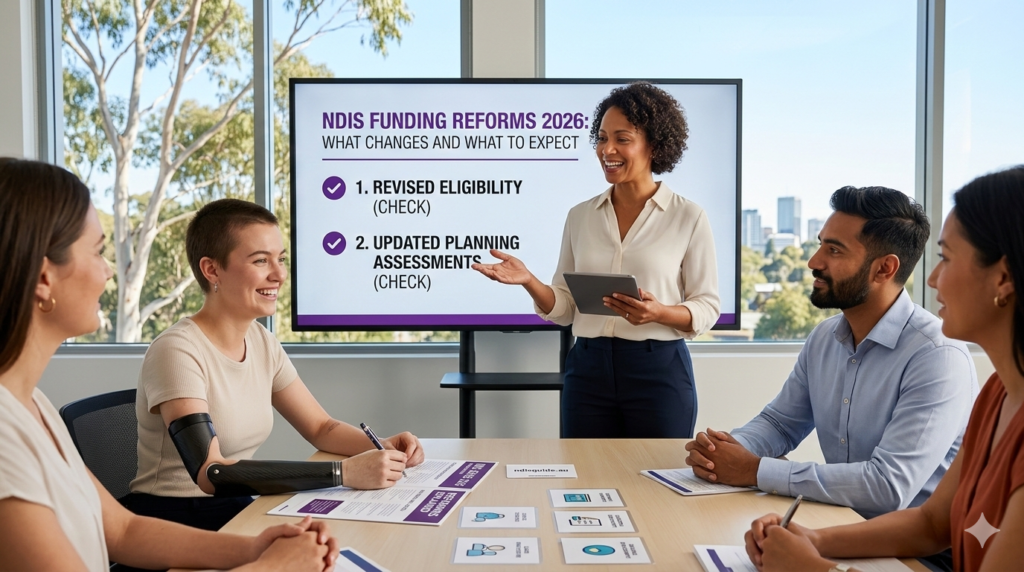
NDIS Funding Reforms 2026: What Changes and What to Expect
The National Disability Insurance Scheme (NDIS) continues to evolve as the Australian Government works to ensure the scheme remains sustainable, fair, and focused on participant outcomes. In 2026, several funding and governance reforms are expected to impact participants, providers, and allied health professionals.
This guide explains what the 2026 NDIS funding reforms involve, why they are happening, and what participants and families should prepare for.
Why Are NDIS Funding Reforms Happening?
The NDIS has grown significantly since its national rollout. With more than half a million participants and rising annual costs, the scheme has faced increasing scrutiny regarding:
-
Long-term financial sustainability
-
Inconsistent plan funding
-
Fraud and misuse of funds
-
Variation in support assessments
-
Administrative complexity
Recent government reviews have recommended structural reforms to improve transparency, control cost growth, and better align funding with individual needs.
Key Themes of the 2026 NDIS Reforms
While final implementation details may continue evolving, the main reform themes include:
1. Stronger Budget Controls
The government has indicated a target to slow the annual growth rate of NDIS spending. This does not mean cutting supports for eligible participants, but rather:
-
More consistent funding benchmarks
-
Clearer definitions of what is “reasonable and necessary”
-
Reduced duplication with mainstream services (health, education, housing)
Participants may notice more structured funding categories and tighter assessment frameworks.
2. Changes to Independent Assessments
Earlier proposals around mandatory independent assessments generated significant community feedback. In response, the government has moved toward a more balanced model.
Potential 2026 updates include:
-
Improved assessment tools
-
Greater transparency in how budgets are calculated
-
Increased use of functional capacity reports
-
Clearer appeal pathways
Participants should ensure their allied health reports clearly outline functional impact and support needs.
3. Reform of Support Categories
The NDIS currently divides funding into:
-
Core Supports
-
Capacity Building
-
Capital Supports
Reforms may refine these categories to:
-
Improve flexibility where appropriate
-
Reduce misuse
-
Align funding more closely to functional impairment
Some supports may shift between categories depending on policy updates.
4. Greater Oversight of Providers
The 2026 reforms are expected to strengthen:
-
Fraud detection systems
-
Provider compliance checks
-
Registration requirements in some areas
Participants may see stricter invoicing requirements and clearer documentation expectations.
5. Focus on Early Intervention
Evidence consistently shows that early intervention reduces long-term disability costs and improves outcomes.
Reforms are likely to prioritise:
-
Faster access for children
-
Earlier therapeutic supports
-
Clear outcome tracking
Families of young participants should monitor any changes in early childhood eligibility processes.
What Will Change for Participants?
While reforms aim to stabilise the scheme rather than remove supports, participants may notice:
-
More structured planning meetings
-
Increased requests for updated reports
-
Closer scrutiny of high-cost supports
-
Clearer explanations of funding decisions
Self-managed and plan-managed participants should expect more documentation requirements to justify certain purchases.
Will Funding Be Reduced?
Current reform messaging focuses on sustainability rather than blanket cuts.
However, funding may become:
-
More standardised
-
More evidence-based
-
More clearly linked to functional impairment
Participants seeking higher-cost supports should ensure strong documentation supports their requests.
What Participants Can Do Now
To prepare for upcoming reforms:
✔ Keep Reports Current
Ensure allied health assessments are:
-
Less than 12 months old
-
Specific about daily functional impact
-
Clear about recommended supports
✔ Understand “Reasonable and Necessary”
Supports must:
-
Relate directly to disability
-
Represent value for money
-
Be evidence-based
-
Not duplicate mainstream services
✔ Keep Records
Maintain:
-
Invoices
-
Service agreements
-
Reports
-
Communication records
✔ Stay Informed
Follow official updates from:
-
NDIA website
-
NDIS Quality and Safeguards Commission
-
Federal Budget announcements
How Reforms Affect Providers
Registered and unregistered providers may see:
-
Stronger audit processes
-
Updated compliance standards
-
Pricing adjustments
-
More transparent claims processes
Providers should monitor Support Catalogue updates closely.
Frequently Asked Questions
Will existing plans change immediately?
No. Most changes apply at plan review.
Will eligibility criteria change?
Major eligibility shifts are unlikely, but assessment frameworks may evolve.
Will appeals still be available?
Yes. Participants retain the right to internal review and Administrative Appeals Tribunal review where applicable.
The Bigger Picture
The 2026 NDIS reforms aim to balance:
-
Financial sustainability
-
Participant fairness
-
Fraud prevention
-
Consistent assessment
While change can create uncertainty, the stated goal remains ensuring participants receive appropriate supports based on need.
Final Thoughts
The NDIS Funding Reforms 2026 represent an effort to strengthen the long-term future of the scheme. Participants and families should focus on maintaining strong documentation, understanding funding principles, and staying engaged in planning discussions.
Clear information, updated reports, and informed preparation remain the best strategy for navigating reform changes confidently.